View:95048Time:2026.08.06
If this is your first time sourcing medals from overseas, learning how to choose custom medal supplier the right way can feel intimidating — you are trusting a factory you may never visit with a product that has a hard, unmovable deadline: race day. Choose a reliable manufacturer, and your medals arrive on time, look exactly like your approved sample, and cost what you were quoted. Choose the wrong one, and you risk production delays, inconsistent quality, poor communication across time zones, and hidden fees that blow up your budget after the invoice is already signed. Below is a practical, five-point checklist race directors and event planners can use to evaluate any custom medal manufacturer before committing to an order — whether you're sourcing your first batch of finisher medals or switching suppliers after a bad experience.
Before going through each factor in detail, here is a fast-reference table summarizing what separates a reliable factory-direct medal manufacturer from a risky middleman or unverified vendor.
| Evaluation Factor | Reliable Medal Vendor | Warning Sign / Middleman |
|---|---|---|
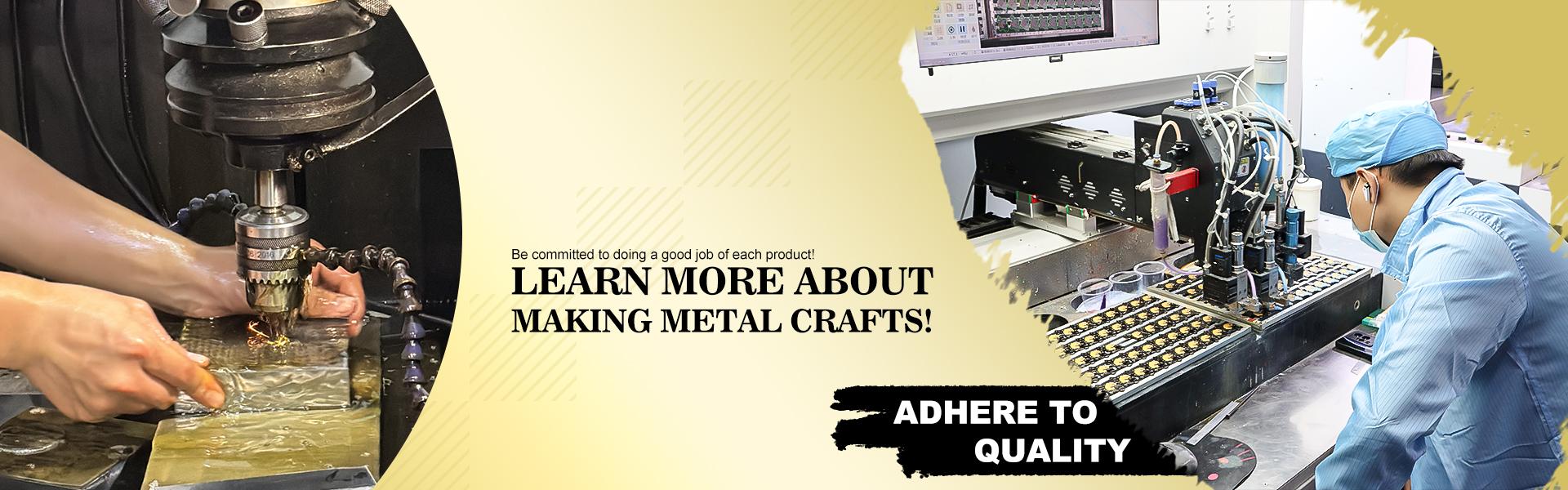
| Production Source | Owns the factory; can show real production floor photos/video | Outsources to unknown third-party factories |
| Lead Time | Gives realistic timeline with buffer for peak season | Always promises the fastest possible date regardless of order size |
| Proofing Process | Provides free 2D/3D digital proofs and physical pre-production samples | Skips samples or charges excessive sample fees with no credit toward order |
| Pricing | Itemized quote: mold fee, unit cost, shipping, customs clearly listed | One vague lump-sum price with fees added later |
| Shipping Terms | Offers DDP (Delivered Duty Paid) door-to-door options | Leaves customs clearance and import duties entirely to you with no guidance |
| Communication | Dedicated account manager, fast response within business hours | Slow, inconsistent replies routed through multiple unclear contacts |
| Proof of Work | Verifiable case studies, real client event photos, certifications | Stock images or unverifiable claims with no named client references |
The single most important decision when you choose custom medal supplier is whether you're dealing directly with the factory that manufactures your medals, or with a trading company/broker that outsources production to a factory you'll never interact with.
When you work with the actual factory, you remove a layer of markup, miscommunication, and delay. A factory-direct supplier controls its own mold-making, casting, plating, and QC processes in-house, which means design changes, rush requests, and quality issues can be resolved directly with the people doing the work — not relayed through a middleman who has to check with their own supplier first. This typically translates into both lower per-unit pricing and faster turnaround, since there's no added markup or communication lag between you and production.
Trading companies are not always transparent about their role. Common warning signs include: an inability or reluctance to share real photos/video of the production floor, vague or evasive answers to specific technical questions (such as which plating process or alloy is being used), noticeably slower response times when you ask detailed manufacturing questions, and pricing that seems to shift once you push for more product detail. If a "supplier" cannot clearly explain casting methods, mold lead times, or plating options, there's a good chance they are reselling capacity from a factory rather than manufacturing it themselves.
Race day dates don't move — your medal supplier's production schedule has to work backward from it. Lead time reliability is one of the most critical (and most overlooked) factors when organizers choose custom medal supplier partners.
Ask any potential supplier for their average production time for an order similar in size and complexity to yours — not their best-case, rush-order estimate. A trustworthy manufacturer will give you a realistic range (for example, "15–20 working days for mold, sampling, and mass production," rather than a single optimistic number) and will factor in your specific medal design complexity, plating type, and any custom packaging requirements.
Spring and fall are peak marathon seasons globally, which means medal factories are often running multiple large orders simultaneously. Ask your prospective supplier directly how they manage capacity during these periods — do they have multiple production lines to absorb surges, or does everyone get pushed into the same queue? A manufacturer with several dedicated production lines and a larger workforce is generally far better equipped to protect your delivery date during high-demand months than a small workshop running a single line.
Quality problems are expensive to fix after mass production has already started — which is why the proofing stage matters as much as the factory's final QC standards.
Before any mold is cut, a reputable supplier should provide free 2D and, ideally, 3D digital renderings of your medal design. This step lets you confirm proportions, text placement, relief depth, and overall visual balance before committing to tooling — catching design issues while they're still a five-minute file edit rather than an expensive mold rework.
Digital renderings can't fully capture how a medal will feel in hand — its weight, the exact shade of a plating finish under different lighting, or how enamel colors read in person. Always request a physical pre-production sample before authorizing mass production. This single step is one of the most effective ways to eliminate unpleasant surprises when your full order finally arrives.
Ask what QC checkpoints the factory uses throughout production — not just at final packing. Look for suppliers that inspect for smooth, burr-free polishing on medal edges, securely stitched (not glued) ribbon attachments, and crisp, evenly filled enamel colors without bleeding or air bubbles. A factory with a dedicated, multi-person QC team checking raw materials, in-process production, and finished goods is far more likely to deliver consistent quality across a large batch than one relying on spot checks alone.
Pricing surprises are one of the most common complaints event organizers have after ordering medals internationally for the first time — and they're almost always avoidable by asking the right questions upfront.
Request a fully itemized quote before placing any order. This should clearly break out the one-time mold/tooling fee, per-unit production cost at your target quantity, any color-matching or Pantone-matching charges, packaging costs, and shipping. A supplier who gives you a single vague lump-sum number — rather than a transparent, itemized breakdown — makes it much harder to catch fees that get added later.
For first-time importers especially, DDP (Delivered Duty Paid) shipping is worth asking about specifically. Under DDP terms, the supplier handles export clearance, international freight, import duties, and customs clearance, delivering the finished medals directly to your door with no surprise customs bills or paperwork on your end. This is one of the clearest signs of a supplier experienced in working with overseas race organizers, rather than one only set up for domestic sales.
Even the best factory is only as good as your ability to communicate with them clearly and quickly — especially when you're working across time zones on a fixed race-day deadline.
During your initial inquiries, pay attention not just to what a supplier says, but how quickly and clearly they respond. A supplier with a dedicated account manager assigned to your order — rather than a rotating cast of generic support contacts — will typically understand your project's context better and respond faster to time-sensitive questions during production.
Ask for real, verifiable examples of past medal projects, ideally tied to named events or client types similar to yours — major marathons, charity runs, corporate 5Ks, school events, and so on. Suppliers with genuine experience producing medals for large-scale or internationally recognized events are usually happy to share specific project photos and details, rather than generic stock catalog images.
Ask for verifiable evidence: real photos or video of their production floor, business licensing or factory audit certifications (such as ISO9001), and named examples of past client projects. A legitimate factory-direct supplier will not hesitate to share this information, answer detailed technical questions about casting and plating processes, and provide a physical sample before you commit to a full production run.
It depends on your priorities. Local suppliers may offer shorter shipping times and easier in-person sample checks, but often at a higher per-unit cost and with less design/finishing variety. Overseas factory-direct manufacturers typically offer significantly lower unit costs, broader design capability (spinning medals, 3D relief, glow-in-the-dark, custom shapes), and experience with large international events — provided you choose a supplier with transparent pricing, DDP shipping, and a proven proofing process to manage the added lead time and logistics.
This should be addressed before you place your order, not after. Ask potential suppliers directly what guarantees or remedies they offer for late delivery or damaged/defective goods — for example, whether they offer a refund or reproduction guarantee if bulk production doesn't match your approved sample, and what their claims process looks like for shipping damage. A supplier confident in their own quality control will typically have a clear, standing policy for these situations rather than a vague "case-by-case" answer.
Choosing custom medal supplier partners doesn't have to be a gamble. Shenzhen Vistarts Craft Co., Ltd. is a self-owned factory established in 2011, with over 10,000 square meters of production space, 150+ employees, 50+ modern machines, and 5 dedicated production lines built to handle both everyday orders and peak marathon-season volume surges without missing your race date.
We are ISO9001 certified, our medals are fully RoHS and CE compliant, and our factory has passed audits from Disney and Universal Studios — the same standard of scrutiny we apply to every custom medal order. Our 20+ in-house design engineers provide free 2D/3D digital proofs before mold making, and we offer pre-production physical samples so you see and feel your medal before mass production begins. A dedicated 10+ person QC team inspects every stage from raw material to final packing, backed by a full refund guarantee if bulk production ever deviates from your approved sample. With experience supporting major international events including the Paris Olympics, Qatar World Cup, and numerous marathon organizers worldwide, plus over 10 logistics partners offering DDP door-to-door shipping, we make sourcing overseas feel as simple and transparent as working with a local shop.
Not sure where to start? Send us your race medal design or requirements and our sales team — with 3+ years of dedicated order-follow-up experience — will walk you through a transparent, itemized quote. Visit vistarts.com to request your free sample and quote today.

58 South Union Road, South Union Community, Shenzhen, Guangdong, China