View:7443Time:2026.08.11
When you search “Die Cast vs Die Struck Medals” in Google, you instantly see why this question tops every race organizer’s mind in 2026. The answer is clear: for modern race medals featuring 3D relief, cutouts, spinners, or custom shapes, Die Cast medals (zinc alloy) are the industry standard. Die Struck medals (brass, copper or iron) remain the traditional choice only for flat, classic commemorative awards. This guide explains the exact differences, manufacturing processes, advantages, limitations, and real-world race medal scenarios so you can choose the right manufacturing method for your event and maximize impact.
Choosing the correct medal manufacturing process directly affects design freedom, durability, weight, cost, and how your race medals will look and feel during competition. With over 1,000 custom medal designs already available in our library and experience supporting major events like the Paris Olympics and Qatar World Cup, we help organizers select the optimal method that aligns with both creative vision and practical performance.
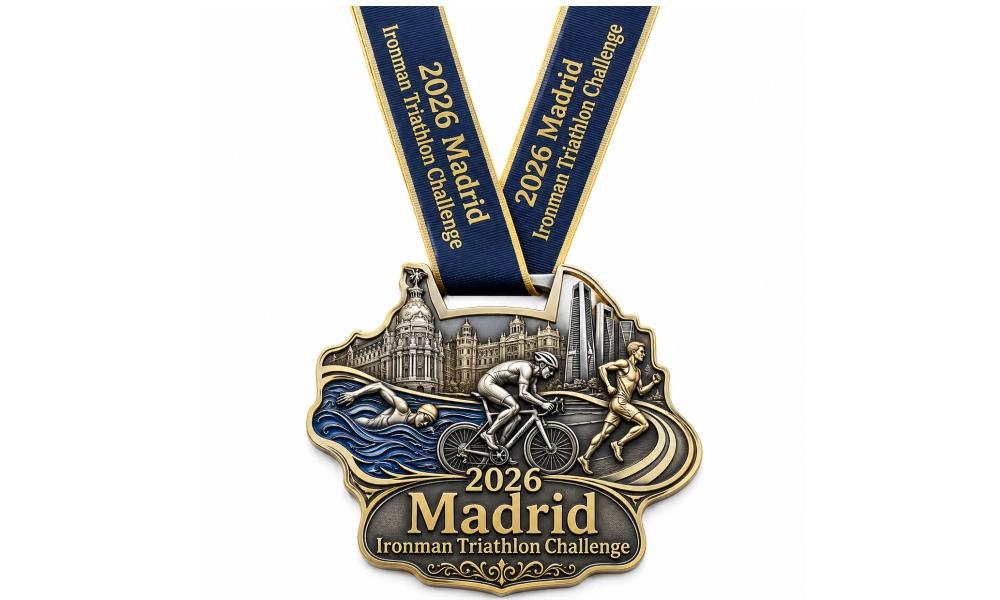
This side-by-side table makes the decision process effortless and is perfectly formatted for Google Featured Snippets:
| Feature | Die Cast Medals (Zinc Alloy) | Die Struck Medals (Brass/Copper/Iron) |
|---|---|---|
| Manufacturing Process | Inject molten zinc alloy into steel die at high pressure | Stamp a flat metal blank with a steel die under immense pressure |
| Common Materials | Zinc alloy (often with copper or tin additives) | Brass, copper, or iron blanks |
| Design Complexity & 3D Capability | Excellent — full 3D relief, cutouts, openings, spinners, intricate custom shapes | Limited — primarily 2D, shallow relief, no internal cutouts or complex 3D |
| Weight & Feel | Medium to light (typically 25-40g), solid metallic feel | Heavier (often 50-80g+), classic solid brass weight |
| Mold Cost & Amortization | Lower per-piece cost for quantities over 500; dies reusable for 100,000+ pieces | Higher mold cost for simple designs; excellent for one-of-a-kind flat medals |
| Best Use Cases | Marathons, 5Ks, 10Ks, youth events, custom-shaped medals, bottle openers | Traditional commemorative awards, academic/military medals, flat high-precision pieces |
| Durability for Sports | High — RoHS/CE certified, impact resistant | Very high — solid metal construction |
| Typical Applications | Corporate races, charity runs, large-scale events | Closed events, honorary awards, collectible pieces |
This comparison helps you quickly match medal manufacturing process to your event goals and budget.
Die Cast manufacturing is the fastest and most versatile method for mass production. Molten zinc alloy is poured into a precision steel die under high pressure. The metal cools and solidifies into the exact shape of the die in seconds. After ejection, the medal undergoes polishing, painting, engraving, and optional enamel filling. This process enables the intricate details, 3D relief, and cutouts that define today’s modern race medals.
Die Cast medals excel at creative design. You can create medals with internal openings, moving spinners, 3D raised lettering, textured surfaces, and completely custom shapes. This flexibility allows your event branding to stand out with modern, eye-catching designs that attract sponsors and participants alike. Our factory offers over 1,000 pre-designed medal templates including spinning, 3D, glow-in-the-dark, and custom-shaped options.
Die Cast is the go-to choice for large-scale running events. It supports the heavy, detailed designs demanded by marathons and 5Ks while remaining cost-effective for thousands of units. The combination of modern aesthetics and reliable performance makes Die Cast the preferred medal manufacturing process for most race organizers in 2026.
Die Struck medals are created by taking a flat metal blank and pressing it against a steel die with enormous force (often 50-200 tons). The metal is deformed into the die’s design in one clean stroke. After stamping, the medal is polished, plated, and sometimes filled with soft or hard enamel. This traditional process produces exceptionally sharp, clean edges and classic metallic appearances.
Die Struck medals deliver razor-sharp lettering, crisp details, and a solid, premium feel that collectors and traditional event organizers love. They are ideal for academic awards, military commemorations, and high-end flat medals where maximum precision and classic aesthetics are essential.
The main drawback is design restriction. Die Struck medals cannot easily create internal cutouts, deep 3D relief, spinners, or complex shapes without expensive additional processes. This makes them less suitable for today’s creative running events but perfect for simple, elegant, flat awards.
If your race medal needs 3D floating elements, cutouts revealing the race logo underneath, or functional parts like bottle openers, Die Cast is the only viable choice. Die Struck simply cannot achieve these effects without major compromises in quality or cost. Our design team specializes in translating complex creative concepts into production-ready Die Cast medal manufacturing processes.
Zinc alloy Die Cast medals typically weigh 25-40 grams, giving a solid yet manageable feel that won’t tire participants during long races. Solid brass or iron Die Struck medals feel heavier and more luxurious but can become uncomfortable for 10K+ events. Weight also affects shipping costs and participant comfort.
Die Cast has lower per-piece cost for quantities over 500 and reusable dies that last hundreds of thousands of medals. Die Struck mold costs can be higher for complex designs and are often amortized over smaller runs. For most race events, Die Cast offers better long-term value and faster time-to-market.
The verdict is straightforward based on your event needs:
Both methods are fully RoHS and CE certified. Both can incorporate soft and hard enamel fills, engraving, plating, and glow-in-the-dark effects. The key is matching the medal manufacturing process to your design vision and event scale.
Yes. Zinc alloy Die Cast medals are impact-resistant, RoHS and CE certified, and have been used successfully in thousands of marathons and 5Ks worldwide. They withstand drops, weather, and repeated handling while maintaining their appearance.
Yes. Die Cast molds are generally more expensive to produce but have much longer lifespan and lower per-piece cost at scale. Die Struck molds can be cheaper for very simple flat designs but require more frequent replacement for complex work.
Absolutely. Both Die Cast and Die Struck medals can receive soft enamel (for colorful, raised designs) or hard enamel (for durable, scratch-resistant finishes). We regularly fill medals with both types for race events.
Die Cast is far superior for custom shapes, irregular forms, and functional designs. Die Struck is limited to flat or very shallow contours.
Die Cast medals (25-40g) feel lighter and more comfortable for long-distance running. Die Struck medals (50g+) add a premium feel but may cause fatigue in half-marathons or marathons.
Only with significant additional cost and complexity. Most modern race organizers prefer Die Cast for any design requiring cutouts or 3D relief.
Die Cast medals allow for larger, more detailed sponsor areas on the reverse side and easier engraving or engraving space. The modern look also attracts more corporate sponsors.
Both methods have similar lead times when samples are approved. Die Cast benefits from faster mold creation for complex designs, giving an edge in tight event schedules.
Yes. Die Cast works exceptionally well with multi-layer plating, antique finishes, and special effects. Die Struck plating is also excellent but slightly more limited due to design constraints.
Ready to select the perfect medal manufacturing process for your next race? Contact our design team today for a free custom sample and expert advice on Die Cast vs Die Struck medals.

58 South Union Road, South Union Community, Shenzhen, Guangdong, China